
How to Sell Land Without a Realtor in Arizona
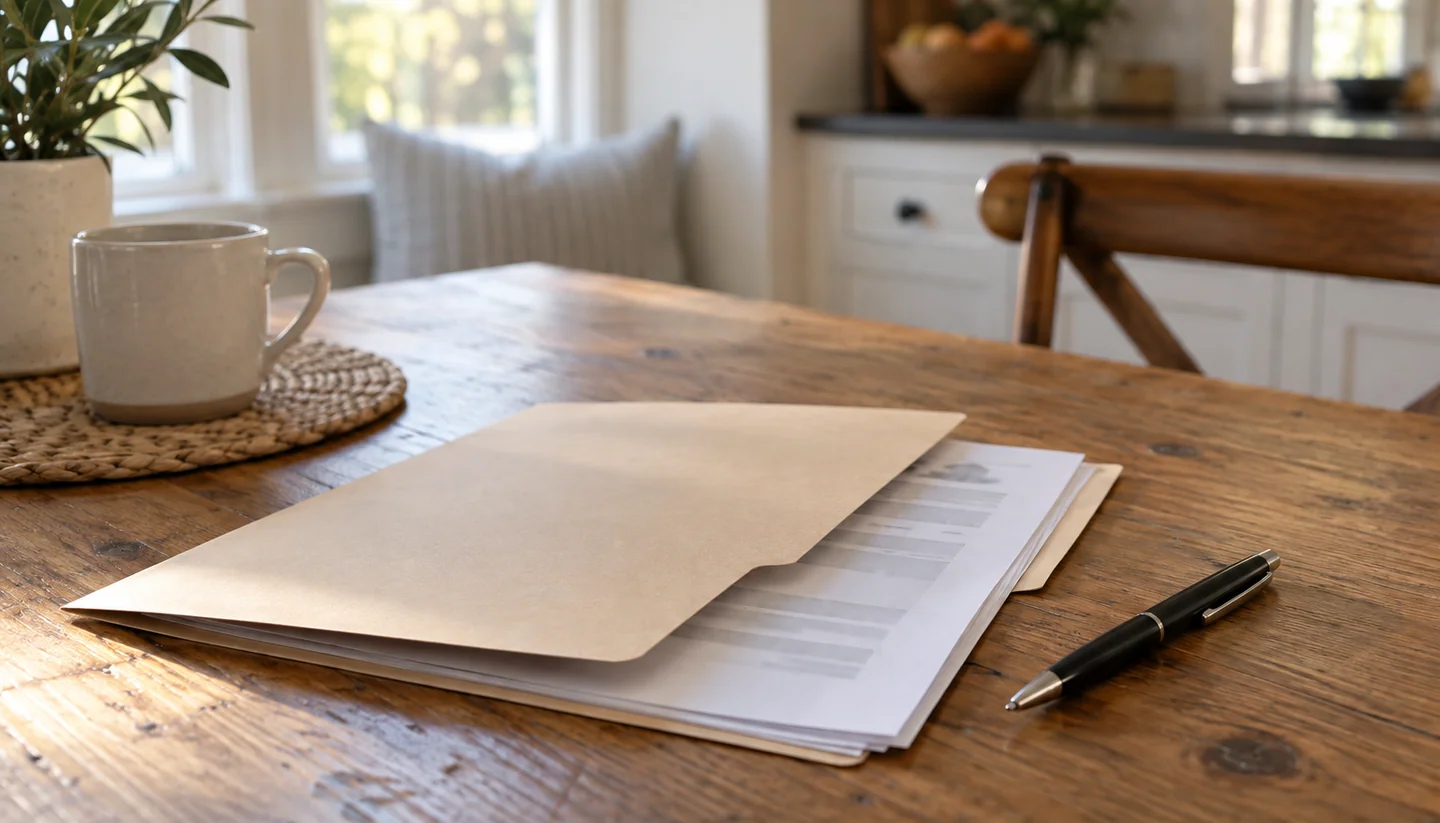
An owner-led sale can give an Arizona landowner more control over timing and communication, but it also places the work of preparation, marketing and offer review on the owner. This guide is general information, not legal or tax advice. It explains the records and questions worth organizing before you decide whether a private sale, a listing, or another route is the right fit for your parcel.
What Selling Land Without a Realtor Changes
Start with the records that describe this parcel and the people authorized to act.
Compare what an owner handles with what a real estate agent may handle, including photographs, inquiries, showing coordination and negotiation. Do not rely on a map pin as proof of boundaries or legal access.
Gather the Information an Arizona Purchaser Will Need
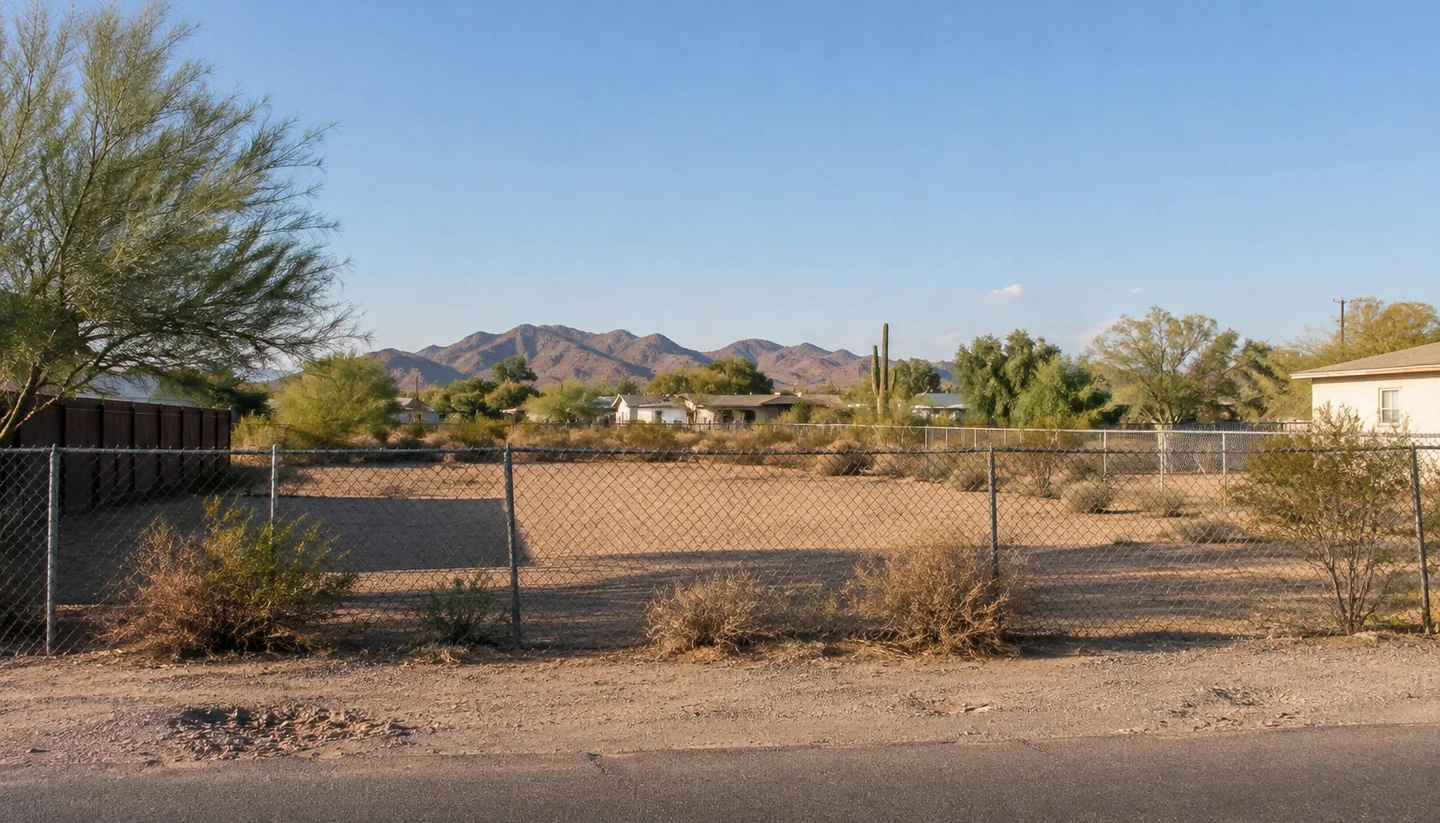
Compare written facts and deadlines instead of relying on a verbal expectation.
Collect the assessor parcel number, legal description, current tax information, deeds, surveys and known easements before publishing a listing. Do not send identity documents, bank credentials or wire instructions through an initial inquiry.
Price Your Property and Choose a Marketing Route
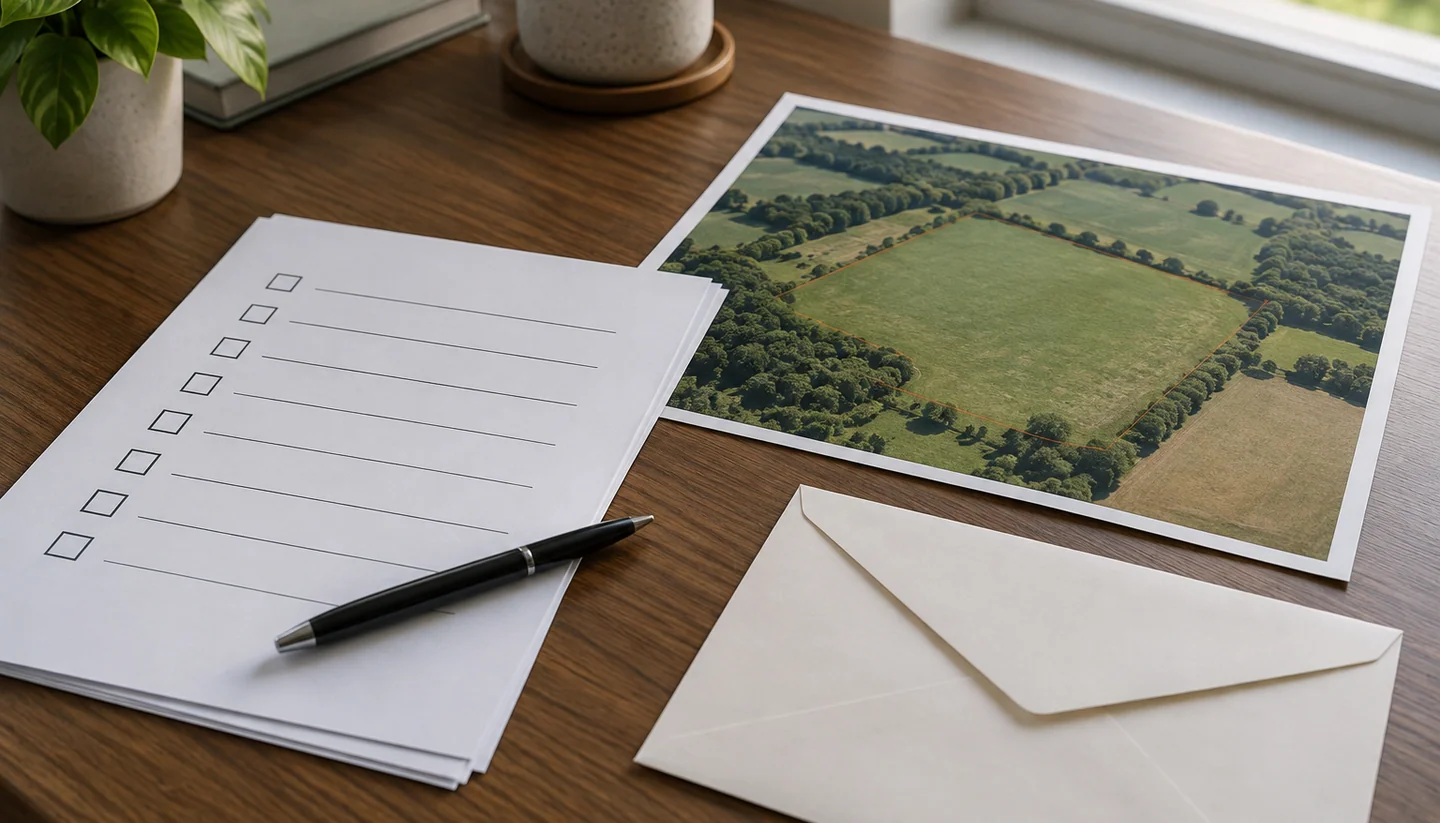
A clear answer now can prevent a later delay or misunderstanding.
Use completed comparable sales and the parcel’s actual characteristics when setting an asking price; active advertisements are not proof of value. Do not let a buyer’s urgency substitute for written terms or independent verification of closing contacts.
Screen Inquiries and Compare Written Offers
Consider both the immediate choice and the responsibilities it creates at closing.
Ask each potential buyer to put price, deposit, due-diligence period, closing date and contingencies in writing. Do not rely on a map pin as proof of boundaries or legal access.
Use a Purchase Agreement That Fits the Parcel
Document the condition, timing and allocation of risk before accepting a proposal.
Have an appropriate professional review a signed sale contract that identifies the parcel and each party’s obligations. Do not send identity documents, bank credentials or wire instructions through an initial inquiry.
Keep Disclosures and Professional Advice in the Process
Use reliable sources for issues that cannot be resolved from ordinary parcel records.
Provide accurate information about known conditions, but do not guess about zoning, access or permitted use when records are incomplete. Do not let a buyer’s urgency substitute for written terms or independent verification of closing contacts.
Coordinate Title, Escrow and Payment
Confirm roles, deadlines and communication channels with the professionals involved.
Use a title company or escrow professional to coordinate title work, signatures, payoff instructions, payment and recording. Do not rely on a map pin as proof of boundaries or legal access.
Check the Net Result Before You Sign
Review the practical result against your own priorities before making a commitment.
Compare the net result, risk and time required by each proposal rather than focusing only on a headline price. Do not send identity documents, bank credentials or wire instructions through an initial inquiry.
Selling land by owner can work when the owner has time to manage the process and uses suitable professional help for the agreement and closing. If a direct buyer offers a simpler route, compare its written terms with a marketing plan. The informed choice is the one that fits the parcel, your desired timeline and the responsibilities you are prepared to keep.
For a direct Arizona property review, start with the county, assessor parcel number if available, acreage and any known ownership or access question. You can then compare a written proposal with other options before committing to a sale.
Make a Decision From the Parcel File
An Arizona parcel can be a small in-town lot, a rural tract, or remote acreage. Access, water, utilities, recorded restrictions and ownership history can matter as much as acreage. The goal is not to promise a result, but to let a serious purchaser understand what is documented and what still needs investigation. deserves a deliberate review, not a rushed answer. Start by putting the parcel number, deed, tax record, survey information, road notes and any correspondence in one folder. That record helps an owner explain what is known, identify what still needs confirmation, and avoid making a promise from memory.
It also helps to write down the decision points before speaking with anyone: the timing that matters, the amount of work you can handle, whether other owners must agree, and which costs or contingencies would change the result. A short written list keeps each conversation focused on the property rather than on pressure or assumptions.
Compare Written Terms, Not Just a Headline Number
A proposal can look simple while important details sit in the fine print. Read the price, deposit, inspection period, closing date, who selects the closing professional, which costs are assigned, and every condition that permits a change or cancellation. Ask for plain-language answers and keep the reply with the proposal.
When two routes produce different numbers, compare the expected net result and the work required to reach it. A longer route may be appropriate when preparation and marketing fit the owner's goals. A direct route may be appropriate when certainty and a defined process matter more. The useful choice is the one whose terms you understand and can complete.
Use Independent Records Where They Matter
County records, a title professional, a surveyor, an attorney, tax adviser, or a land-use office can answer different questions. Their role is not to make the choice for you; it is to help you verify information before a document is signed. Save names, dates, documents and follow-up questions so that the file remains usable if the timeline changes.
Owners should be especially careful with access, ownership names, liens, boundary assumptions, mineral or water rights, and local use restrictions. These subjects can affect value and timing. Raising them early gives everyone a chance to address them with records instead of discovering them near closing.
Keep Control of the Timeline
Set reasonable milestones for collecting records, reviewing terms, seeking advice and deciding whether to proceed. Do not treat a request for information as a commitment. A reputable process leaves room for questions, provides documents in writing, and allows an owner to pause when something is unclear.
Before closing, read the final settlement materials, confirm where money will be sent, and check that the property description and owner information are correct. Keep copies after recording. That simple practice makes the outcome easier to explain and protects the owner if a later question arises.
Use the parcel file to clarify real estate attorney when selling, vacant land without a realtor, without a real estate agent, successfully sell your land and without a realtor can save; use reliable records and written terms rather than assumptions.
A written offer should address paperwork for selling land, land without a real estate, asking price for the land, without an agent involves and selling a piece of land; use reliable records and written terms rather than assumptions.
Before accepting, verify sell your land without, sale without a realtor, land for sale by owner, vacant land properties and working with a realtor; use reliable records and written terms rather than assumptions.
The closing discussion should cover control over the sale, land you want to sell, realtor commissions, land buying company and sell your property; use reliable records and written terms rather than assumptions.
An owner can compare records for value of your land, land professionals, land independently, list land for sale and potential buyers; use reliable records and written terms rather than assumptions.
A careful review should resolve sell vacant land, undeveloped land, title companies, without realtor and selling process; use reliable records and written terms rather than assumptions.
Questions worth documenting include price your land, list your land, property taxes, selling a home and marketing land; use reliable records and written terms rather than assumptions.
Discuss these points with the appropriate professional: land appraiser, parcel of land, need a realtor, hire a realtor and make your land; use reliable records and written terms rather than assumptions.
Use the parcel file to clarify purchase land, land investor, steps to sell, land listing and sale process; use reliable records and written terms rather than assumptions.
A written offer should address pricing land, realtor fees, land quickly, land auction and time to sell; use reliable records and written terms rather than assumptions.
Before accepting, verify land market, land parcel, land online, way to sell and land offers; use reliable records and written terms rather than assumptions.
The closing discussion should cover online land, land buyer, sale price, land fast and cash land; use reliable records and written terms rather than assumptions.
Need to sell your Arizona land? We buy land directly from owners for cash, with no fees, no commissions, and we close in as little as 2 weeks.