
Selling Land to a Developer in Arizona
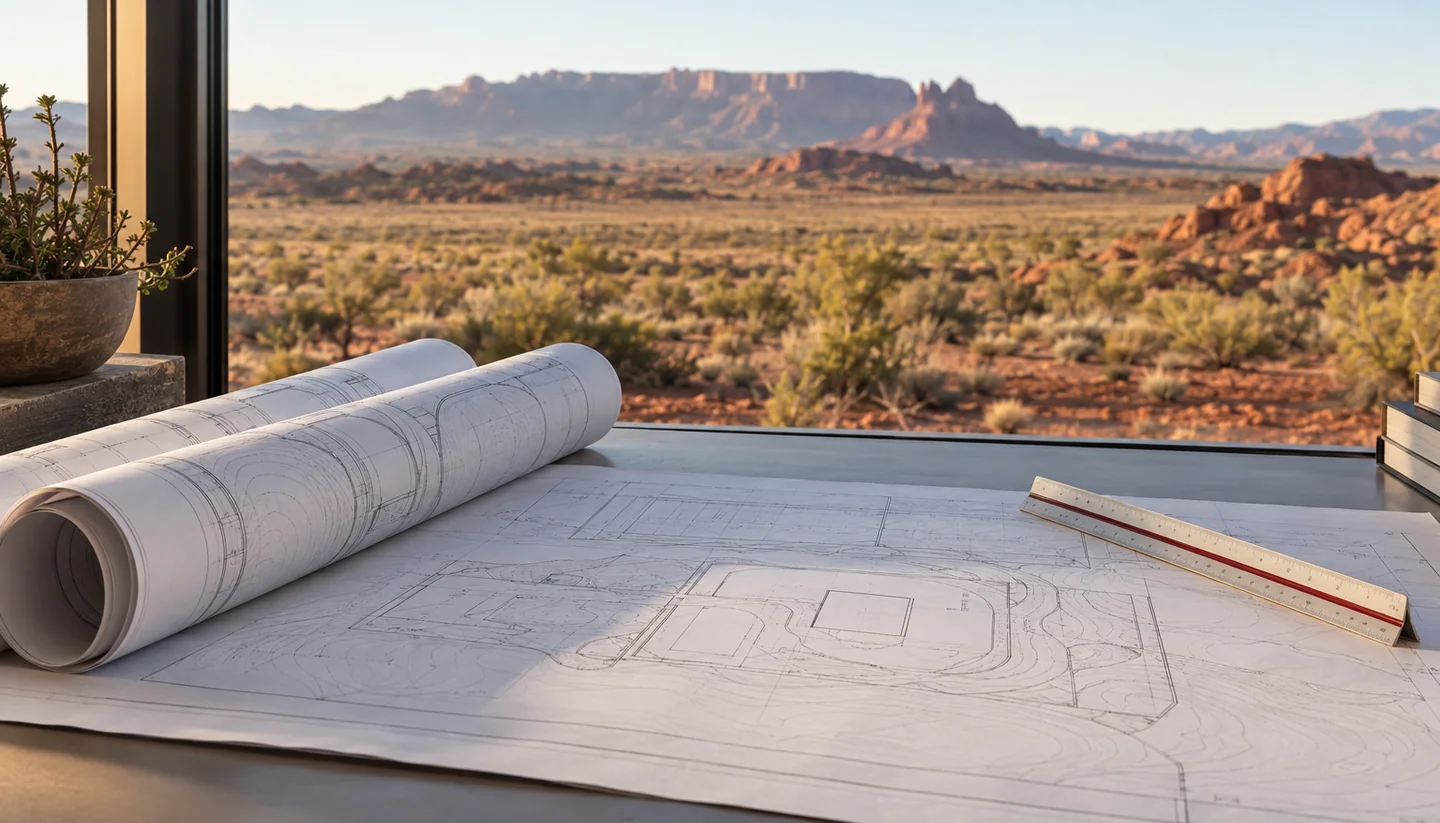
A developer inquiry can sound attractive because a future project may imply a higher price. The important question is what the proposed agreement actually requires of the developer and what control you give up while investigations continue. Arizona owners should distinguish a present purchase commitment from a long option, a feasibility period or an agreement that can be extended repeatedly.
Understand What a Developer Is Proposing
Start with the records that describe this parcel and the people authorized to act.
Ask whether the proposal is a purchase contract, option, letter of intent or another arrangement, and identify exactly when it becomes binding. Do not assume nearby construction proves your parcel has the same rights or services.
Separate Existing Rights From a Future Project
Compare written facts and deadlines instead of relying on a verbal expectation.
Separate verified existing rights from hoped-for rezoning, subdivision approval, utility capacity or a future development plan. A large headline price can be less valuable than a smaller, credible agreement with a defined closing path.
Compare Price With Time and Closing Risk
A clear answer now can prevent a later delay or misunderstanding.
Compare the stated price with the length of the review period, the likelihood of closing, the deposit at risk and the opportunity cost of taking the tract off the market. Do not sign broad access or investigation rights without understanding insurance, restoration and timing provisions.
Read Due Diligence and Extension Terms Carefully
Consider both the immediate choice and the responsibilities it creates at closing.
Read feasibility, due-diligence and extension provisions carefully; identify who pays for reports and how much notice is required to extend or terminate. Do not assume nearby construction proves your parcel has the same rights or services.
Investigate Access, Utilities and Site Constraints
Document the condition, timing and allocation of risk before accepting a proposal.
Gather available records on roads, easements, utilities, drainage, topography, boundaries and prior studies, while labeling unknown facts honestly. A large headline price can be less valuable than a smaller, credible agreement with a defined closing path.
Keep Costs and Responsibilities in Writing
Use reliable sources for issues that cannot be resolved from ordinary parcel records.
Allocate taxes, title costs, engineering work, demolition, cleanup and other responsibilities in the written agreement instead of relying on a conversation. Do not sign broad access or investigation rights without understanding insurance, restoration and timing provisions.
Use Independent Advice Before Granting Long-Term Control
Confirm roles, deadlines and communication channels with the professionals involved.
Use an Arizona real estate attorney, title professional, surveyor or other qualified adviser as appropriate before granting an option or long control period. Do not assume nearby construction proves your parcel has the same rights or services.
Choose the Agreement That Fits Your Goals
Review the practical result against your own priorities before making a commitment.
Choose terms that let you understand both the potential upside and the risk that the project does not proceed. A large headline price can be less valuable than a smaller, credible agreement with a defined closing path.
Selling land to a developer can be a practical option, but it calls for careful attention to conditions and control. A well-defined agreement states what is being purchased, what may delay closing and what happens if approval work fails. Independent review helps an owner compare a development proposal with other sale routes on equal terms.
For a direct Arizona property review, start with the county, assessor parcel number if available, acreage and any known ownership or access question. You can then compare a written proposal with other options before committing to a sale.
Make a Decision From the Parcel File
A parcel’s current zoning, access, water, utilities, environmental conditions and recorded restrictions may differ from the assumptions behind a future project. A developer may need time to study those issues. That can be reasonable, but the price, deposit, deadlines and termination rights should be clear before an owner commits the property. deserves a deliberate review, not a rushed answer. Start by putting the parcel number, deed, tax record, survey information, road notes and any correspondence in one folder. That record helps an owner explain what is known, identify what still needs confirmation, and avoid making a promise from memory.
It also helps to write down the decision points before speaking with anyone: the timing that matters, the amount of work you can handle, whether other owners must agree, and which costs or contingencies would change the result. A short written list keeps each conversation focused on the property rather than on pressure or assumptions.
Compare Written Terms, Not Just a Headline Number
A proposal can look simple while important details sit in the fine print. Read the price, deposit, inspection period, closing date, who selects the closing professional, which costs are assigned, and every condition that permits a change or cancellation. Ask for plain-language answers and keep the reply with the proposal.
When two routes produce different numbers, compare the expected net result and the work required to reach it. A longer route may be appropriate when preparation and marketing fit the owner's goals. A direct route may be appropriate when certainty and a defined process matter more. The useful choice is the one whose terms you understand and can complete.
Use Independent Records Where They Matter
County records, a title professional, a surveyor, an attorney, tax adviser, or a land-use office can answer different questions. Their role is not to make the choice for you; it is to help you verify information before a document is signed. Save names, dates, documents and follow-up questions so that the file remains usable if the timeline changes.
Owners should be especially careful with access, ownership names, liens, boundary assumptions, mineral or water rights, and local use restrictions. These subjects can affect value and timing. Raising them early gives everyone a chance to address them with records instead of discovering them near closing.
Keep Control of the Timeline
Set reasonable milestones for collecting records, reviewing terms, seeking advice and deciding whether to proceed. Do not treat a request for information as a commitment. A reputable process leaves room for questions, provides documents in writing, and allows an owner to pause when something is unclear.
Before closing, read the final settlement materials, confirm where money will be sent, and check that the property description and owner information are correct. Keep copies after recording. That simple practice makes the outcome easier to explain and protects the owner if a later question arises.
Use the parcel file to clarify commercial real estate market, land to developers in texas, landowners looking to sell, consider when selling land and residential and commercial; use reliable records and written terms rather than assumptions.
A written offer should address potential for development, real estate professional, developers want to avoid, process of selling land and real estate development; use reliable records and written terms rather than assumptions.
Before accepting, verify properties in your area, selling to a developer, selling their property, developers are looking and value of your property; use reliable records and written terms rather than assumptions.
The closing discussion should cover real estate developer, listing your property, sale of your property, current market trends and potential developers; use reliable records and written terms rather than assumptions.
An owner can compare records for development projects, zoning and land use, access to utilities, value of your land and zoning regulations; use reliable records and written terms rather than assumptions.
A careful review should resolve money on the table, real estate agent, closing statement, agricultural land and texas landowners; use reliable records and written terms rather than assumptions.
Questions worth documenting include developers might, land development, market your land, land up for sale and may want to sell; use reliable records and written terms rather than assumptions.
Discuss these points with the appropriate professional: developers often, selling process, property online, property owners and developer would; use reliable records and written terms rather than assumptions.
Use the parcel file to clarify many developers, sell your land, land developer, potential land and estate agents; use reliable records and written terms rather than assumptions.
A written offer should address piece of land, purchase land, sell or lease, land’s value and sale process; use reliable records and written terms rather than assumptions.
Before accepting, verify market value, sale of land, sell my land, land selling and plot of land; use reliable records and written terms rather than assumptions.
The closing discussion should cover land details, negotiation, vacant land, owning land and land value; use reliable records and written terms rather than assumptions.
An owner can compare records for property's, mixed-use, buildable, raw land and buyer; use reliable records and written terms rather than assumptions.
Before signing, address zone through reliable records and the professionals handling the closing.
Need to sell your Arizona land? We buy land directly from owners for cash, with no fees, no commissions, and we close in as little as 2 weeks.