
How to Sell Land Online in Arizona
Putting a parcel on a website is easy. Giving an interested buyer enough trustworthy information to act is harder. Owners looking to sell land in Arizona need more than an attractive landscape picture and an acreage figure. A useful listing explains the property, identifies uncertainties and gives inquiries a clear next step. This guide covers preparation, marketing, screening and the transition from an online conversation to a documented transaction.
Prepare a Reliable Parcel File Before You Sell Your Land
Get your land records organized before writing an advertisement. Collect the assessor parcel number, the recorded legal description, ownership information, acreage, available surveys and any known easements. Keep the tax reference separate from the legal description. They serve different purposes, and an online map is not automatically a survey of the boundary.
To prepare your land for a meaningful review, identify the facts already documented and the questions still unanswered. A buyer may ask about access, utilities, drainage, zoning or an existing lease. You do not need to invent an answer to appear prepared. Explain the uncertainty and identify the office or professional who may be able to resolve it.
Different holdings require different emphasis. Agricultural land can involve irrigation or occupancy arrangements. Recreational land may raise access and permitted-use questions. A small town site and remote raw land should not share the same generic description. Focus on the type of land you actually own and avoid assigning a use based on a neighboring parcel.
Choose Where to Sell property online
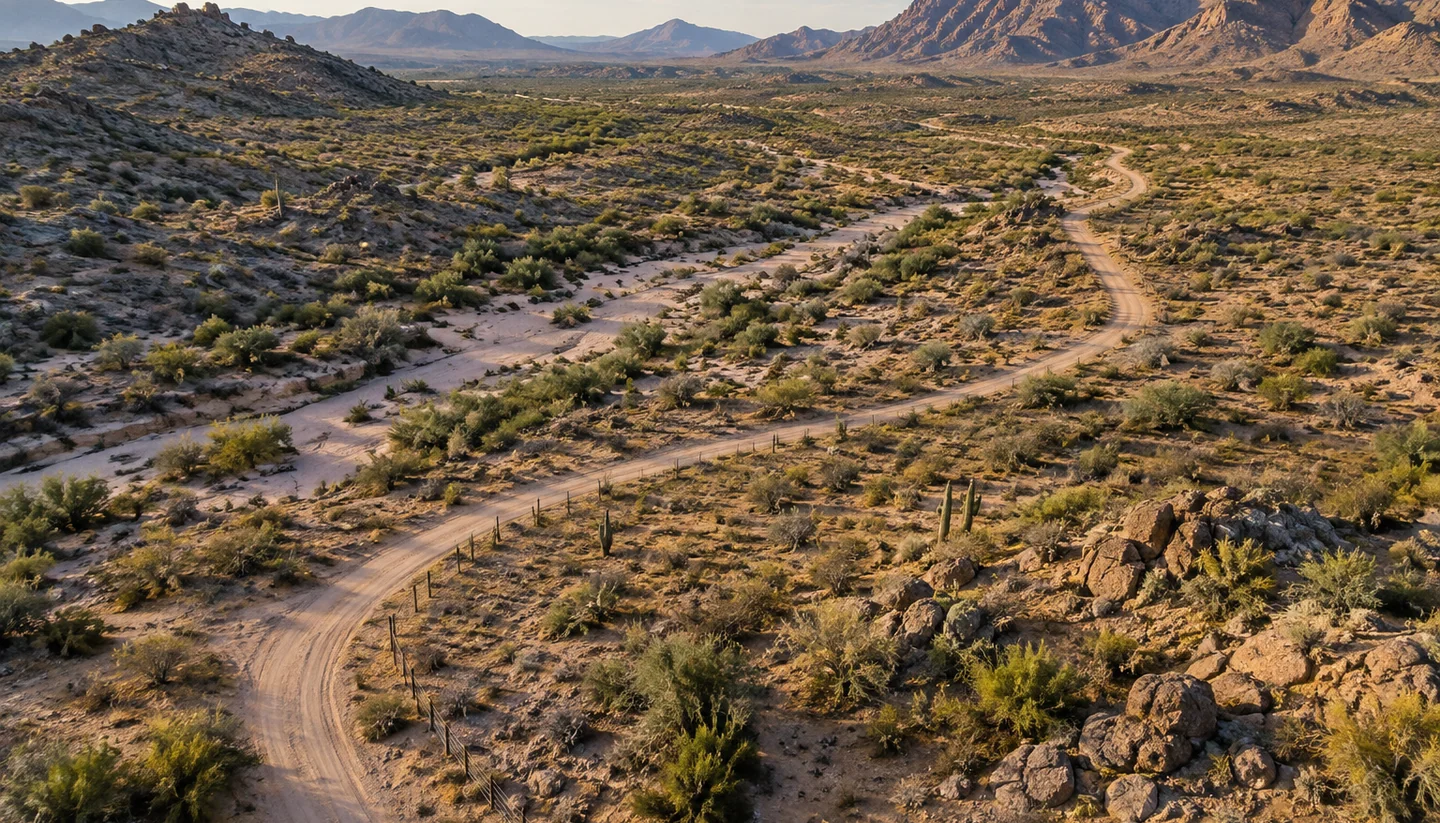
Compare audiences, costs and the kinds of information a service allows you to publish. Some online platforms offer broad consumer exposure, while a specialist land and farm marketplace may attract a different audience. A local advertising service, a real estate agent or a direct purchaser may provide another route. Choose a platform for selling land based on the property and your goals, not simply the largest audience claim.
Before you list your land, review the service's fees, rules and inquiry tools. Websites to sell property can use different listing durations or renewal arrangements. Some owners hope to sell property online for free, but preparation and time still have a cost. A free advertisement is one way to sell; it is not a promise of qualified interest or a completed purchase.
When you transfer your property online, avoid posting inconsistent facts across services. A prospective owner comparing several advertisements should not see different acreages, prices or access claims. Keep a dated master description and update every active posting when a material detail changes.
Help Potential Buyers Understand the Property
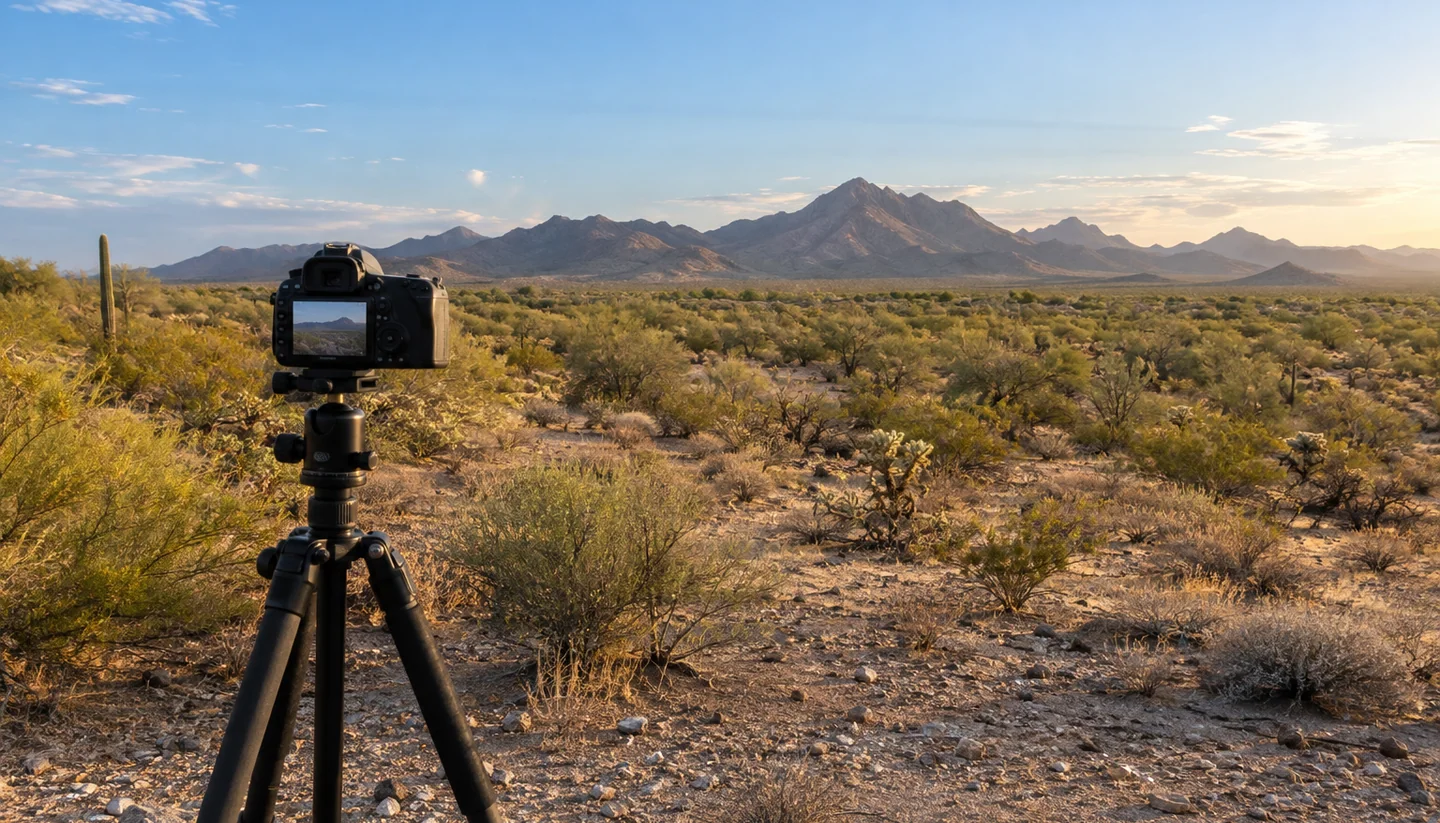
Use current photographs of the actual tract and clearly identify their viewpoint. Showcase your property with useful images of access, terrain and other relevant features, not only the most attractive horizon. Aerial imagery may help explain context, but any illustrated boundary should be qualified appropriately. Do not replace real parcel photographs with a generic stock or AI-generated scene in a property advertisement.
Describe the best features without concealing limitations. If a route crosses another holding, explain what documentation exists. If service availability is unknown, say so. The phrase "land for sale" tells potential buyers very little by itself. Relevant land features, a clear location and practical access information make the inquiry more useful.
Market your land with readable text, a consistent price and a straightforward contact path. Avoid large blocks of keywords or unsupported development claims. Land can be used only within the applicable rights and requirements. A buyer needs to distinguish a permitted use from an owner's hope about what might someday be approved.
Price the Site With Relevant Evidence
Look at completed transfers of comparable property, not just active asking prices. A land buyer may evaluate a utility-served site differently from an unserviced tract with difficult access. Size, terrain, restrictions and the cost of unresolved work can influence the number. A broad average from unrelated plots of land may conceal the distinctions that matter most.
When you price your land, consider both the market evidence and your intended schedule. A higher opening amount may require a longer marketing effort. A lower figure does not guarantee speed if the underlying file is unclear. Explain your reasoning and be ready to discuss meaningful differences in the comparisons rather than defending a number solely because another owner advertised it.
Hiring a real estate agent can be appropriate when you want representation and a broader marketing service. Ask about relevant experience and the proposed work. The expenses associated with selling should be part of the comparison, along with the time and responsibilities you retain.
Handle Inquiries Without Giving Away Sensitive Information
Use a consistent method to respond and record questions. Prospective land buyers may ask for maps, documents or additional photographs. Share material appropriate to the stage of the conversation, and keep a record of what was provided. A detailed land description can reduce repetitive inquiries, but it should not expose identity documents, bank records or unrelated personal information.
Ask enough questions to understand the buyer's proposal. What property are they referring to? What use are they considering? Are they discussing an immediate purchase, an option or another arrangement? A vague message promising an unusually high amount without reviewing the parcel deserves caution. Do not let urgency replace verification of identity and terms.
Keep offers and important representations in writing. If you choose to sell your property, use a suitable agreement and an independently verified closing service. A message thread is not a replacement for a document that clearly identifies the parcel and the parties' obligations.
Compare a Listing With a Direct Purchase
A cash land buyer may provide a private alternative to a public listing. The advantages of selling your land through that route can include less marketing work and a more defined negotiation. The price and conditions may differ from the result of a longer advertising effort. Compare the entire proposal rather than assuming every direct approach has the same benefits.
Professional land buyers and listing representatives perform different roles. Experienced land buyers review the parcel as potential purchasers; an agent may represent your interests in the marketplace. If you want to sell your land for cash, ask about funds, investigation periods, deposits and extensions. A written offer for your land should identify its important conditions.
Owners who prefer to discuss a direct route can start with our Arizona property review. Selling directly to cash buyers does not remove the value of independent legal or financial advice. The appropriate choice depends on the parcel, expected proceeds and how much of the marketing process you want to manage.
Avoid Common Pitfalls When Selling property online
One frequent mistake is treating an approximate pin as a complete location description. Another is using outdated photographs or assuming that a neighboring structure proves the parcel can be developed. Potential buyers should be able to understand which statements are documented and which need investigation. Selling online should improve access to useful information, not magnify an uncertain claim.
A second problem is failing to update an advertisement after circumstances change. If the price, availability or information supplied about the site is no longer accurate, correct each active posting. Do not leave a deposit or negotiation unaddressed while continuing to advertise as though nothing has happened. Discuss contractual obligations with an appropriate professional where necessary.
Finally, distinguish selling raw land from selling a home. There may be no interior to show, and practical issues such as legal access or a water arrangement can dominate the review. An impressive presentation cannot replace a clear explanation of those fundamentals.
Move From an Offer to a Secure Closing
Once a buyer proposes terms, confirm the parcel description, price, deposit, investigation period, costs and expected closing date. Understand who can cancel and under what conditions. A land transaction should not depend on assumptions scattered across several messages. Clarify any existing lease, lien or ownership issue before promising possession or a transfer date.
The buyer's ability to close should be evaluated alongside the proposed amount. Ask how payment and documents will be handled by the closing company. Verify contact information independently and be cautious about last-minute changes to wiring instructions. A legitimate transfer of land still requires careful coordination even when the parties first met through an advertisement.
Keep the agreement, closing statement and relevant correspondence after completion. The final land sale may also have reporting consequences, so retain the records needed by your adviser. Do not assume an online marketplace handles every legal or filing responsibility simply because it hosted the advertisement.
A Practical Checklist for an Arizona Owner
Before publishing, confirm the location, ownership, useful photographs, documented access information and a price supported by relevant evidence. Check that every active advertisement uses consistent facts. Decide how you will answer inquiries and which documents belong in a secure channel rather than a public listing.
If you sell your land without a real estate agent, identify the other professional help appropriate to the transaction. A qualified adviser can help you sell your land with a clearer understanding of the agreement and closing requirements. Good preparation does not guarantee a result, but it gives each serious inquiry a better starting point.
Need to sell your Arizona land? We buy land directly from owners for cash, with no fees, no commissions, and we close in as little as 2 weeks.